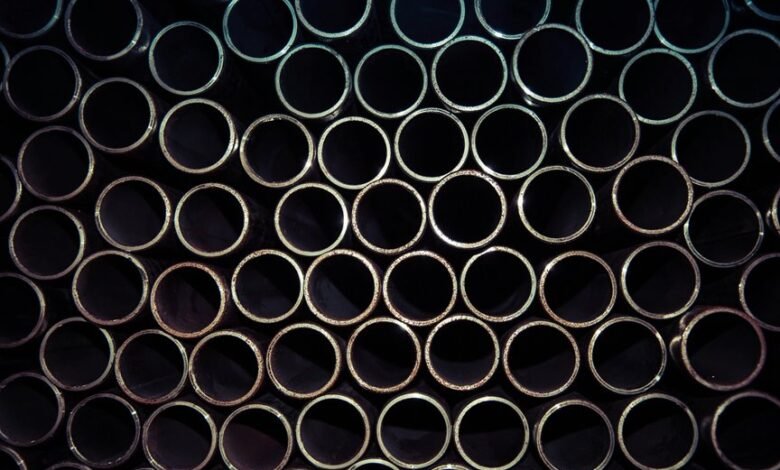
8Cr13MoV is a martensitic alloy whose performance hinges on composition-driven hardness, wear resistance, and grindability. Alerts documentation monitors hardness benchmarks, wear events, and maintenance windows, enabling proactive responses. The notes link heat-treatment adjustments to observable behavior and usage patterns, guiding data-driven refinements. A centralized schema supports consistent logging and cross-functional analysis, highlighting red flags and data gaps. The framework invites scrutiny of correlations to fatigue mitigation, inviting ongoing scrutiny and refinement as evidence accumulates.
What 8cr13mov Is and Why It Matters in Alloy Notes
8Cr13Mov is a martensitic stainless steel alloy designed for balance between hardness, wear resistance, and corrosion resistance, with properties tailored for cutting tools and consumer blades.
The 8cr13mov composition determines its microstructure and performance, guiding heat treatment and edge stability.
Alloying benefits include improved toughness, corrosion resistance, and grindability, enabling predictable tool life and consistent manufacturing outcomes in alloy notes.
How Alerts Documentation Tracks Hardness, Wear, and Maintenance
Alerts documentation systematically tracks hardness, wear, and maintenance metrics by logging standardized test results, delta changes, and maintenance events in a centralized schema.
The system analyzes hardness benchmarks and wear patterns, correlating them with maintenance scheduling and alert thresholds.
It enables proactive governance, ensures traceable accountability, and supports rapid response workflows without ambiguity or superfluous narrative.
Interpreting Heat-Treatment Tweaks and Usage Patterns for 8cr13mov
Analyzing heat-treatment adjustments and usage trends for 8cr13mov requires a structured examination of alloy responses under varied thermal profiles and operational conditions.
The analysis presents knife physics implications, how heat treatment tweaks influence microstructure, and subsequent blade wear patterns.
It emphasizes maintenance patterns, data-driven decisions, repeatable protocols, and objective comparisons across treatments while maintaining a neutral, technical perspective.
Reading Red Flags and Organizing Alloy Notes for Ongoing Reliability
To ensure ongoing reliability, the process of reading red flags and organizing alloy notes must be systematic and objective, highlighting patterns of degradation, anomalous microstructure indicators, and data gaps that impede consistent performance assessments.
The method separates 8cr13mov myths from empirical signals, cataloging corrosion cues, phase inconsistencies, and mechanical responses to stress.
This supports alloy fatigue mitigation through disciplined, transparent documentation.
Conclusion
8cr13mov’s complexities crystallize through coordinated classifications, calibrations, and cautions. Centralized core data compile corrosion- and fatigue-resistant facets, forging factual foresight for heat-treatment tweaks and usage patterns. Alerts articulate hardness highs, wear events, and maintenance windows, guiding granular governance. Meticulous metrics magnify meaningful margins, minimizing missteps and maximizing machinability. Overall, objective observations offer ongoing reliability: a disciplined, data-driven discipline that delineates diligent decision-making, delineates detrimental deviations, and drives durable, dependable developments in alloy-note governance.