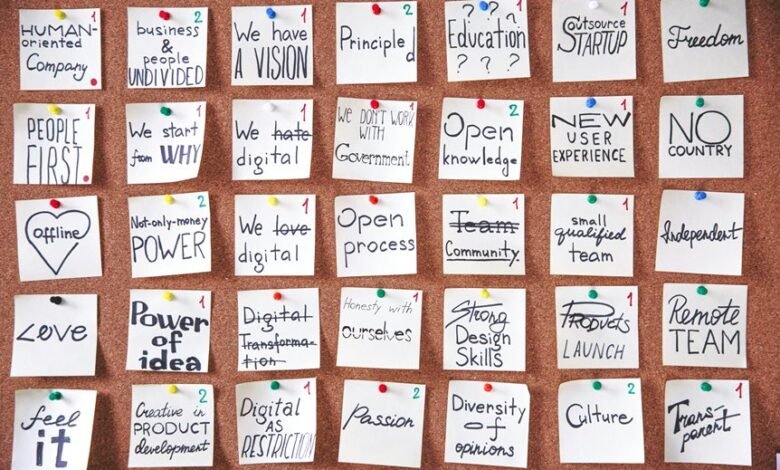
Transformative Approaches 7806661470 Concepts reframes challenges as opportunities for durable change, emphasizing learning, autonomy, and cross-disciplinary synthesis. The approach favors adaptable workflows, rapid experimentation, and transparent feedback within governed replication and scale. By turning concepts into measurable experiments, teams cultivate cross-sector collaboration and proactive stakeholder engagement. The framework invites careful risk analysis and iterative refinement, offering leverage points for scalable impact, while leaving critical choices open for those prepared to test and adapt the next steps.
What Are Transformative Approaches Really About?
Transformative approaches encompass methods and mindsets that actively reframe problems, reconfigure processes, and reorient stakeholder impact toward lasting improvement. They emphasize purposeful change beyond incremental gains, aligning activities with broader objectives. The focus is on transformative aims, broader value, and adaptive learning. Scale implications emerge as necessary considerations, guiding decisions about replication, governance, and resource allocation while preserving autonomy and collaborative experimentation.
The Toolkit: Cross-Disciplinary Methods in Action
The toolkit gathers cross-disciplinary methods into a cohesive, action-ready set of practices that teams can adapt to diverse contexts.
It analyzes how shared principles translate into concrete workflows, fostering resilient collaboration and rapid experimentation.
Transformative approaches emerge when disciplines exchange signals and critique, enabling informed risk-taking.
Cross disciplinary insights sharpen hypotheses, align metrics, and accelerate implementation for sustainable, freedom-minded organizational growth and learning.
From Concept to Change: Iteration and Measurement
From the toolkit’s cross-disciplinary foundations, iteration and measurement translate abstract concepts into actionable experiments and observable outcomes.
The analysis contrasts concepts vs impact, clarifying how ideas evolve into measurable change.
Iteration metrics guide rapid learning, balancing pace with rigor, and aligning stakeholders.
A collaborative stance foregrounds transparent feedback loops, ensuring progressive refinement and shared understanding while preserving a forward-thinking, freedom-oriented orientation.
Real-World Case Studies: Lessons Learned Across Sectors
Across sectors, real-world case studies illuminate how transformative concepts translate into tangible outcomes, revealing both effective strategies and common barriers. The analysis emphasizes insight fusion and proactive stakeholder mapping, guiding cross-disciplinary collaboration. Lessons highlight scalable practices, risk-aware experimentation, and transparent metrics.
Forward-looking synthesis identifies leverage points, encourages shared accountability, and fosters adaptable ecosystems where disciplined experimentation translates into measurable, lasting impact for diverse stakeholders.
Conclusion
In sum, transformative approaches fuse disciplined experimentation with collaborative governance, turning challenges into repeatable improvement. The toolkit’s cross-disciplinary methods empower rapid, low-risk testing while preserving accountability and scale. A single anecdote—an urban pilot cutting energy waste by 18% through iterative tweaks—embodies the arc: small bets, transparent feedback, durable learning. As concepts mature into measurable actions, stakeholder engagement and data-informed iteration accelerate impact, guiding sectors toward scalable, lasting value through coordinated, forward-thinking change.